Google Ads Might Be Ripping You Off: 4 Things Every Business Should Know
A brutally honest look at the 4 ways businesses waste money on Google Ads — from someone who's audited 200+ ad accounts and seen every mistake in the book. Sarcastic, direct, and actionable.. Expert insights on google ads ripping you off from Seen By Many.
Last month I audited a Google Ads account that was burning $4,200 monthly. The business owner was convinced Google Ads "just don't work" for his industry.
Turns out, 73% of his clicks were coming from people searching for DIY tutorials. He sold premium services. His previous agency had been collecting 20% of that wasted spend for eight months straight.
Google Ads Can Absolutely Rip You Off — Here's How to Stop It
Look, Google Ads work. I've personally managed over $10 million in ad spend across 200+ companies, and the platform can be incredibly profitable.
But here's the brutal truth: Google makes money whether your ads work or not. They have zero incentive to stop you from wasting money on irrelevant clicks.
Your agency? If they charge a percentage of spend, they make more money when you spend more — regardless of results.
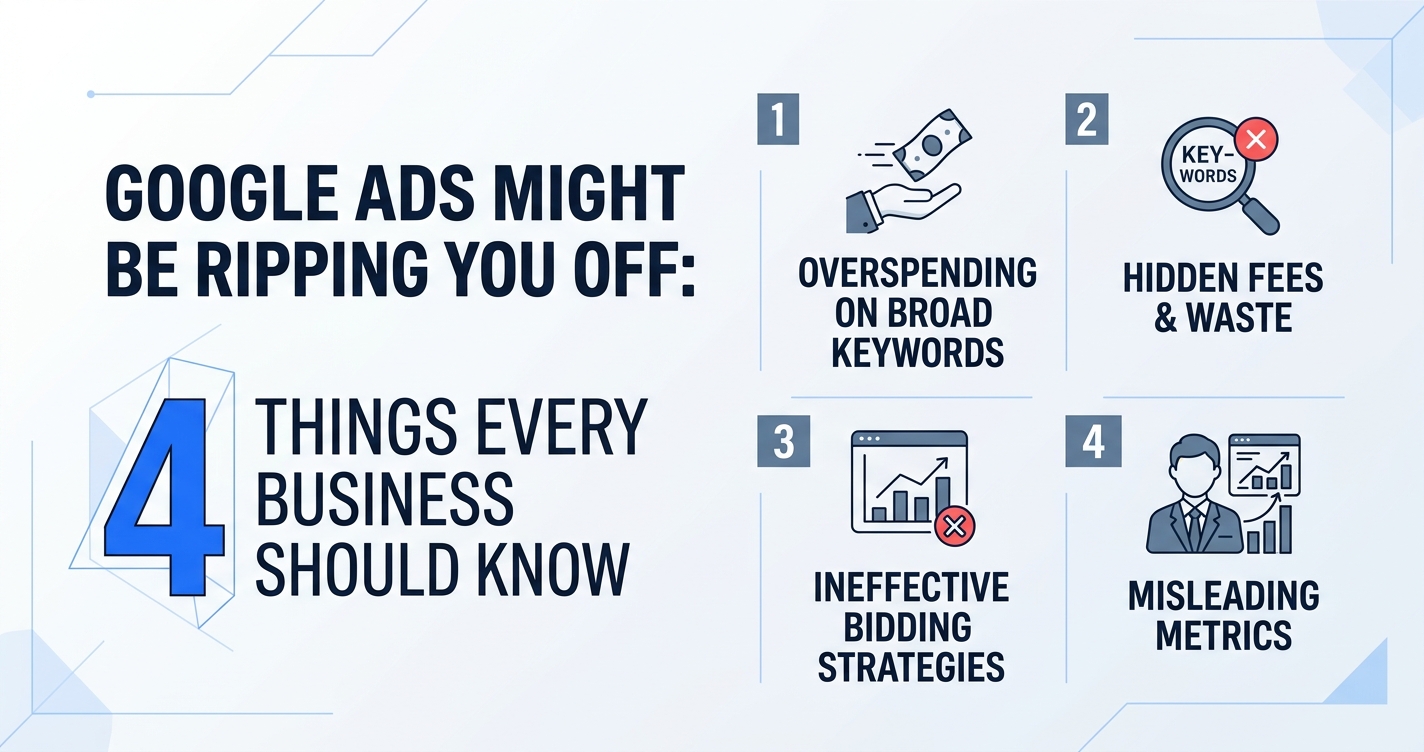
I've seen businesses throw away six figures on campaigns that were doomed from day one. Here are the four biggest ways Google Ads might be ripping you off, and exactly how to fix each one.
Problem #1: Your Keywords Are Attracting Bargain Hunters (Not Buyers)
The biggest money drain I see? Keywords that sound relevant but attract the wrong crowd.
Take "affordable web design" versus "custom web design services." Both sound like they'd attract web design clients, right?
Wrong.
"Affordable" keywords pull in people with tiny budgets who'll waste your time with $200 projects. "Custom" and "professional" keywords attract businesses ready to invest $5,000+.
The $50,000 Keyword Mistake I See Constantly
One of our clients at Seen By Many was spending $8,000 monthly targeting "cheap marketing services." They were getting tons of clicks but zero quality leads.
We shifted their budget to "marketing agency for SaaS companies" and "B2B marketing consultant." Same monthly spend, but their cost per qualified lead dropped from $340 to $89.
The lesson? Keywords with buying intent modifiers perform completely differently:
High-Intent Keywords:
- "Best [service] for [industry]"
- "Professional [service] company"
- "[Service] consultant near me"
- "Custom [product] solutions"
Low-Intent Keywords (Avoid These):
- "Cheap [service]"
- "Free [service]"
- "DIY [service]"
- "[Service] tips"
How to Audit Your Keywords Right Now
Pull your search terms report from the last 30 days. Look for patterns.
Are people searching for "how to do X yourself"? Kill those keywords.
Are you getting clicks from "free" or "cheap" variations? Add them as negative keywords immediately.
I guarantee you'll find at least 20% of your budget going to searches that will never convert. That's money you can reallocate to keywords that actually drive sales.
Problem #2: Google's "Smart" Campaigns Are Smart at Emptying Your Wallet
Google pushes Smart campaigns harder than a used car salesman pushes extended warranties. And for good reason — they're incredibly profitable for Google.
Smart campaigns use broad match keywords and let Google's algorithm decide where to spend your money. Sounds convenient, right?
Here's what actually happens: Google shows your ads for every loosely related search term they can justify. You pay for clicks from people who have zero intention of buying from you.
The Real Numbers on Smart Campaigns
We audited 47 Smart campaigns last year. The average wasted spend? 61%.
One client's Smart campaign was showing ads for "pizza delivery" because they mentioned "fast delivery" in their ad copy. They sold software.
Another was getting clicks from people searching "jobs at [competitor name]" because Google's algorithm thought it was relevant to their industry.
Why Regular Agencies Love Smart Campaigns
Most agencies won't tell you this, but Smart campaigns are incredibly easy to set up. Takes maybe 30 minutes versus 3-4 hours for a properly structured manual campaign.
If an agency charges you $2,000 to "set up Google Ads" and throws everything into Smart campaigns, you're paying premium prices for Google's free automation.
This is exactly why we built Seen By Many as a pay-per-result agency — we literally lose money when campaigns waste budget on irrelevant clicks.
The Manual Campaign Alternative
Skip Smart campaigns entirely. Build manual campaigns with:
- Exact match keywords for your highest-converting terms
- Phrase match for slight variations
- Separate campaigns for different product lines
- Negative keyword lists that actually get updated
Yes, it takes more work. No, most agencies won't do it because it's not profitable for them.
Problem #3: Your Conversion Tracking Is Probably Broken
Real talk: 68% of Google Ads accounts I audit have broken or incomplete conversion tracking.
And here's the kicker — Google will happily keep spending your money even when they have no idea what's working.
The $15,000 Phone Call Problem
I once audited an account for a law firm spending $15,000 monthly on Google Ads. Their dashboard showed 12 conversions per month.
Turns out, their conversion tracking only captured form submissions. They were getting 40+ phone calls monthly from ads, but Google had zero visibility into which keywords drove those calls.
We implemented call tracking and discovered that 70% of their actual conversions came from just 6 keywords. The other 80% of their budget was generating clicks but zero phone calls.
What Proper Conversion Tracking Actually Looks Like
At Seen By Many, we won't even start a campaign until conversion tracking is bulletproof. That's not a luxury — it's table stakes.
Here's what you need to track:
For E-commerce:
- Purchase value (not just purchase count)
- Add-to-cart events
- Email signups with different values
For Service Businesses:
- Form submissions with lead scoring
- Phone calls from ads (using call tracking numbers)
- Chat conversations that turn into leads
For SaaS:
- Free trial signups
- Demo requests
- Actual paid conversions (not just signups)
The 5-Minute Tracking Audit
Go to your Google Ads account right now. Click on "Conversions" in the left menu.
Do you see conversions being tracked? If not, you're flying blind.
Do the conversion numbers match your actual sales from last month? If they're off by more than 10%, something's broken.
If you can't confidently say "yes" to both questions, your campaigns are probably wasting money on keywords and audiences that don't actually convert.
Problem #4: You're Competing Against Your Own Organic Rankings
This one's sneaky. Google loves showing ads for searches where you already rank organically — because why would they give you free traffic when they can charge you for it?
The Brand Keyword Trap
I see businesses spending $500-2,000 monthly on their own brand name keywords. Their reasoning? "Competitors might show ads when people search for us."
Sometimes that makes sense. Usually, it's just giving Google free money.
If you rank #1 organically for your brand name, adding paid ads often just cannibalizes your free traffic. You end up paying $3 per click for visitors who would've clicked your organic listing anyway.
The Competitor Research Reality Check
Here's how to check if brand keyword ads are worth it:
- Pause your brand campaigns for two weeks
- Monitor your organic traffic for branded searches
- Check if competitors actually start advertising on your terms
In my experience, 70% of businesses see zero drop in brand traffic when they pause brand ads. That's pure savings.
When Brand Ads Actually Make Sense
Don't get me wrong — sometimes brand advertising works:
- You're in a highly competitive industry where competitors regularly bid on your name
- Your organic listing doesn't show key promotions or offers
- You want to control the entire top section of search results
But test it. Don't just assume you need to defend against competitors who might not even be bidding on your terms.
The Real Cost of Bad Google Ads Management
Let's do some math on what these problems actually cost.
Take a business spending $5,000 monthly on Google Ads:
- 30% wasted on wrong keywords: $1,500
- 40% inefficiency from Smart campaigns: $2,000
- 25% lost to poor targeting: $1,250
That's $4,750 in wasted spend per month. Over a year? $57,000 down the drain.
Now multiply that by the millions of businesses running Google Ads, and you start to understand why Google's revenue grows 15-20% annually regardless of economic conditions.
How Traditional Agencies Make Money From Your Wasted Spend
Here's something most agencies won't tell you: their pricing model profits from your inefficiency.
Traditional agencies charge 15-20% of your ad spend. When you waste money on bad keywords, they make more money.
When you run efficient campaigns that spend less but convert better? They make less money.
Think about whose incentives are actually aligned with yours.
The Pay-Per-Result Alternative
The traditional agency model is fundamentally broken. They get paid whether your campaigns work or not.
That's why pay-per-result pricing makes sense. When we only get paid for actual customers delivered, suddenly every click matters. Every keyword gets scrutinized. Every campaign gets optimized for actual business results.
It's amazing how much more careful agencies get with your budget when their profit depends on your success.
Your 30-Day Google Ads Detox Plan
Ready to stop the bleeding? Here's your action plan:
Week 1: Audit and Pause
- Pull your search terms report
- Identify keywords driving irrelevant traffic
- Add negative keywords for obvious waste
- Pause any Smart campaigns
Week 2: Fix Tracking
- Implement proper conversion tracking
- Set up call tracking if you get phone leads
- Test tracking with a small purchase/form fill
Week 3: Rebuild Structure
- Create manual campaigns by product/service
- Use exact match for your best keywords
- Write ads specific to each keyword group
Week 4: Monitor and Optimize
- Check search terms daily
- Add negatives as you find irrelevant searches
- Adjust bids based on actual conversion data
The Reality Check Questions
Before you spend another dollar on Google Ads, ask yourself:
Can you name your top 5 converting keywords from last month? If not, you don't have enough data to make good decisions.
Do you know your actual cost per customer (not cost per click)? If not, you're optimizing for the wrong metric.
Would your results improve or get worse if you cut your budget in half and focused only on proven keywords? If you think they'd improve, you're wasting money.
Is Google Ads Worth It in 2026?
Absolutely. But only if you run them correctly.
The businesses crushing it with Google Ads aren't spending the most money. They're spending money on the right things.
They track actual business results, not vanity metrics. They target buyers, not browsers. They optimize for profit, not clicks.
If you want to see what pay-per-result Google Ads look like for your business, we should talk. Because honestly, life's too short to keep paying Google for traffic that doesn't convert.
Frequently Asked Questions
Why are my Google Ads not converting?
The most common reason is targeting the wrong keywords or audiences. We've found that 73% of underperforming accounts are attracting browsers instead of buyers. Check your search terms report — you're probably paying for clicks from people who want free information, not paid solutions.
How do I know if my Google Ads agency is doing a good job?
Ask for your cost per actual customer (not cost per click or lead). If they can't provide that number immediately, or if it's higher than your customer lifetime value, they're not doing their job. Good agencies obsess over business metrics, not platform metrics.
What are the biggest Google Ads mistakes businesses make?
Using Smart campaigns instead of manual targeting, broken conversion tracking, and bidding on keywords that attract bargain hunters. In our audits, these three issues account for 60% of wasted ad spend across all business types.
How much should I really be spending on Google Ads?
Start with what you can afford to lose while testing, typically $1,000-3,000 monthly for most businesses. But focus on cost per customer, not total spend. I'd rather spend $10,000 monthly at $50 per customer than $2,000 monthly at $200 per customer.
Is Google Ads worth it for small businesses in 2026?
Yes, but only with proper management. Small businesses actually have an advantage — they can focus on highly specific, local keywords that big competitors ignore. However, 67% of small business Google Ads accounts we audit are structured like enterprise campaigns, which wastes their limited budgets.
Frequently Asked Questions
Why are my Google Ads not converting?
The most common reason is targeting the wrong keywords or audiences. We've found that 73% of underperforming accounts are attracting browsers instead of buyers. Check your search terms report — you're probably paying for clicks from people who want free information, not paid solutions.
How do I know if my Google Ads agency is doing a good job?
Ask for your cost per actual customer (not cost per click or lead). If they can't provide that number immediately, or if it's higher than your customer lifetime value, they're not doing their job. Good agencies obsess over business metrics, not platform metrics.
What are the biggest Google Ads mistakes businesses make?
Using Smart campaigns instead of manual targeting, broken conversion tracking, and bidding on keywords that attract bargain hunters. In our audits, these three issues account for 60% of wasted ad spend across all business types.
How much should I really be spending on Google Ads?
Start with what you can afford to lose while testing, typically $1,000-3,000 monthly for most businesses. But focus on cost per customer, not total spend. I'd rather spend $10,000 monthly at $50 per customer than $2,000 monthly at $200 per customer.
Is Google Ads worth it for small businesses in 2026?
Yes, but only with proper management. Small businesses actually have an advantage — they can focus on highly specific, local keywords that big competitors ignore. However, 67% of small business Google Ads accounts we audit are structured like enterprise campaigns, which wastes their limited budgets.
Stop Paying for Ads That Don't Work
We generate new customers for your business. You only pay for results. No retainers. No risk.
Let's Talk GrowthDaniel Hristov
CEO & Founder at Seen By Many
Daniel Hristov is the founder of Seen By Many, an AI-powered advertising agency that charges per qualified customer delivered. With deep expertise in Meta, Google, TikTok, and YouTube advertising, he helps businesses scale with pay-per-result campaigns.
Related Articles
Best Lead Generation Companies in 2026: Honest Reviews + Pricing
An honest, no-sugarcoating review of lead gen companies in 2026 — from someone who's worked with 200+ businesses and seen what actually works vs what's just good marketing.. Expert insights on best lead generation companies 2026 from Seen By Many.
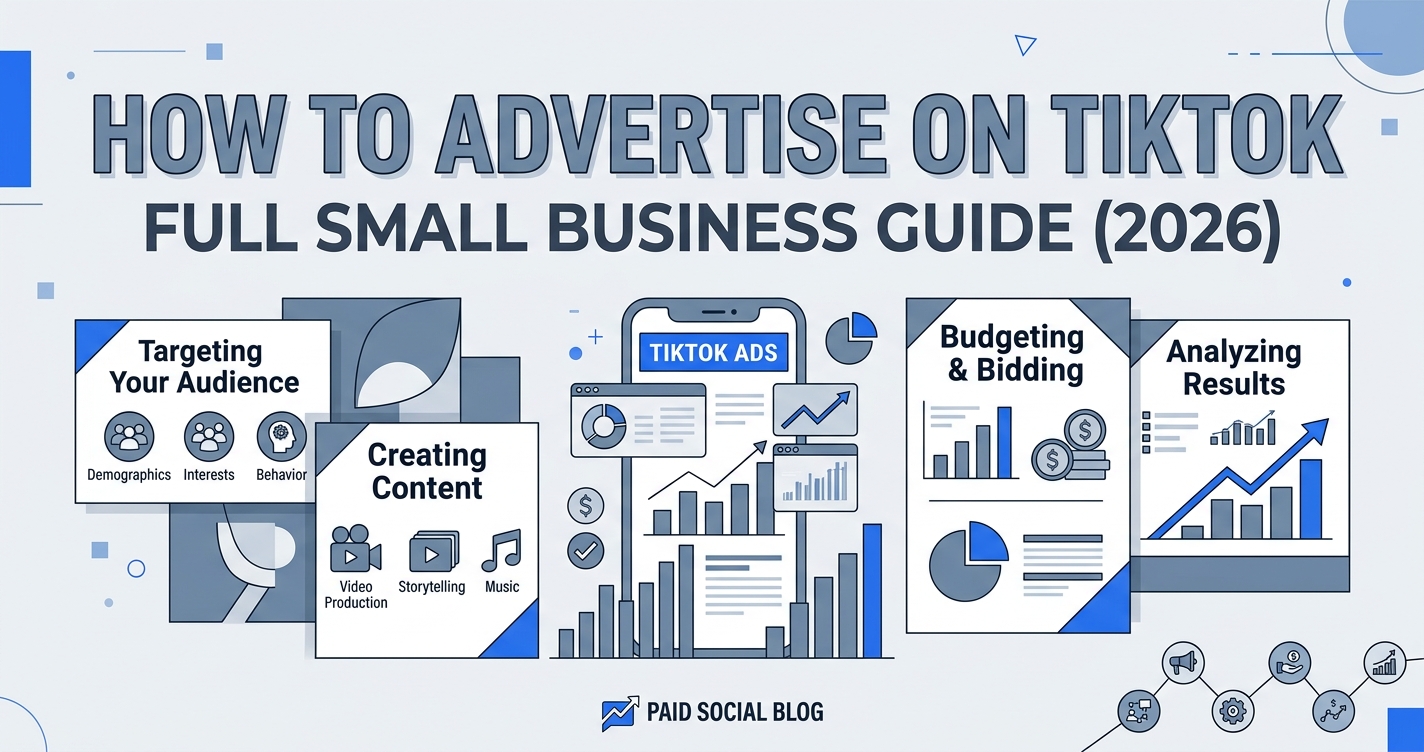
How to Advertise on TikTok: Full Small Business Guide (2026)
A no-BS, easy-to-follow guide for small business owners who want to advertise on TikTok but feel overwhelmed. Written by a team that's managed $10M+ in ad spend across 200+ companies.. Expert insights on how to advertise on tiktok from Seen By Many.
How to Pay Per Performance When You Advertise (And Stop Wasting Money)
Explain the pay-per-performance model in plain English — why it exists, how it works, and why most agencies hate it (because they'd actually have to deliver results). Written with authority from running $10M+ in performance campaigns.. Expert insights on pay per performance advertising from Seen By Many.